Three colleagues from the department of Psychiatry Amsterdam UMC have been awarded a grant of the dutch Hersenstichting. Karel Scheepstra will study rapid non-invasive brain stimulation to treat bipolar depression. Sophie Fitzsimmons and Neeltje Batelaan will start a project to identify an effective rTMS target for panic disorder. Thirdly, Marieke van der Pluijm and Karin Huizer will investigate the clinical and mechanistic effects of a Ketone Ester in schizophrenia. Read more about the projects below.
Karel Scheepstra – Rapid non-invasive brain stimulation to treat bipolar depression
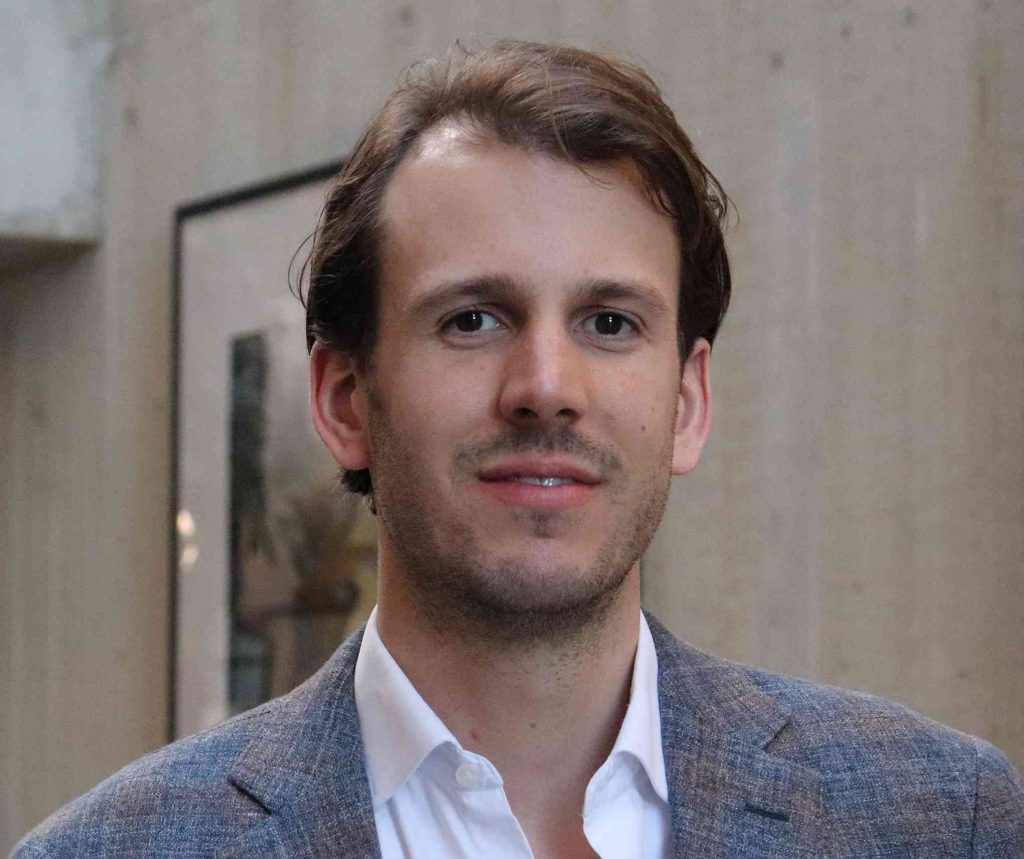
Psychiatrist Karel Scheepstra (photo) and his team have been awarded a Hersenstichting grant (€400k), to study rapid non-invasive brain stimulation to treat bipolar depression. In this multicenter sham-controlled study, they aim to determine whether an intensive one-week accelerated intermittent theta burst stimulation (aiTBS) treatment is effective for bipolar depression. They will also study booster sessions for sustaining antidepressive effects, neurobiological changes after stimulation and whether aiTBS is cost-effective. This project aims to establish a novel, non-invasive treatment for patients with bipolar depression.
Offering exceptionally rapid antidepressant effects—delivered in just one week—and fewer side effects than pharmacological treatments or electroconvulsive therapy (ECT). Accelerated intermittent theta burst stimulation (aiTBS) is a high-frequency variant of rTMS that delivers brief magnetic pulses in rapid bursts, repeated eight times daily over five days. Small aiTBS studies in major depressive disorder and bipolar disorder showed an average time-to-response between 2 to 3 days (Neuteboom 2023, Sheline 2024, Li 2024, Appelbaum 2025).
Sophie Fitzsimmons & Neeltje Batelaan – Panic Disorder
This project aims to identify an effective rTMS target for panic disorder. This 3-arm RCT takes the first step in developing rTMS as a treatment for panic disorder. The primary objective is to determine which of two promising prefrontal targets – the left dorsolateral prefrontal cortex (LdlPFC) or the ventromedial prefrontal cortex (vmPFC) – reduces limbic activity most effectively compared with sham stimulation. Secondly, we will measure which target yields the greatest and most durable symptom improvement. Third, we aim to explore brain and clinical features that predict treatment response. Neurobiological and clinical findings from this study will guide future multicenter cost-effectiveness trials, supporting integration of rTMS into regular panic disorder treatment protocols.


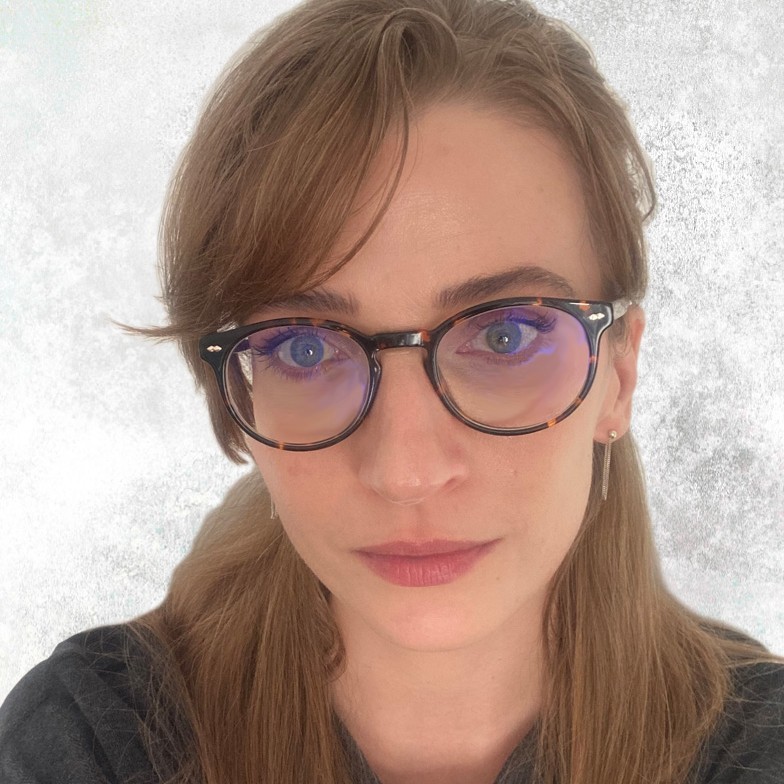
Ultimately, the goal of the researchers, dr. Sophie Fitzsimmons (photo left) and prof. dr. Neeltje Batelaan (photo right), is to develop rTMS as part of evidence-based standard care for people with PD who did not experience improvement after initial treatment attempts or who have relapsed.
Marieke van der Pluijm & Karin Huizer – KERBIES: Ketone Ester to Restore Brain BioEnergy in Schizophrenia
While antipsychotics reduce psychotic symptoms in schizophrenia spectrum disorders (SSD), cognitive, negative symptoms and sleep disorders typically persist, reducing quality of life. Metabolic abnormalities, including disturbed brain glucose and mitochondrial metabolism, are considered key disease mechanisms in SSD, impairing neuronal function. On top of that, (neuro)inflammation and oxidative stress contribute to SSD. Ketones, derived from a ketogenic diet or ketone drink (KE), offer an alternative brain energy source, reduce inflammation and oxidative stress, and may improve sleep. In this study dr. Marieke van der Pluijm (Research associate Amsterdam UMC)(photo above) and dr. Karin Huizer (Psychiatrist Parnassia)(photo below) will investigate the clinical and mechanistic effects of a KE in SSD, focusing on cognition, negative symptoms, sleep, brain function and metabolism. They have received a Hersenstichting grant to perform this research.